
Advertisements
Picture this: I’m standing in the Bangkok airport at 2 AM, passport gone, wallet missing, and my phone’s about to die. Yeah, that was me last year! Travel emergencies happen to the best of us, and trust me, they’ll test every ounce of patience you’ve got.
After traveling to over 40 countries (and making pretty much every mistake in the book), I’ve learned that being prepared for travel emergencies isn’t just smart – it’s essential. The difference between a ruined trip and a funny story you’ll tell for years often comes down to how ready you are when things go wrong.
The Most Common Travel Emergencies You’ll Face

Let me tell you, I’ve experienced them all. Lost passports, food poisoning in Morocco, getting robbed in Barcelona – you name it, I’ve probably dealt with it. The crazy thing is, most travel emergencies fall into just a few categories.
Medical emergencies are probably the scariest. I once got dengue fever in Thailand (wouldn’t recommend it), and without travel insurance, I would’ve been absolutely screwed. Then there’s the classic lost or stolen documents scenario – happens way more often than you’d think.
Natural disasters and political unrest can catch you off guard too. I was in Chile during the 2019 protests, and let me tell you, watching the news from home is way different than being there when things get real. Financial emergencies round out the list – like when your bank decides to freeze your card because they think someone stole it (spoiler: it was just me trying to buy street tacos in Mexico City).
Essential Documents and Copies
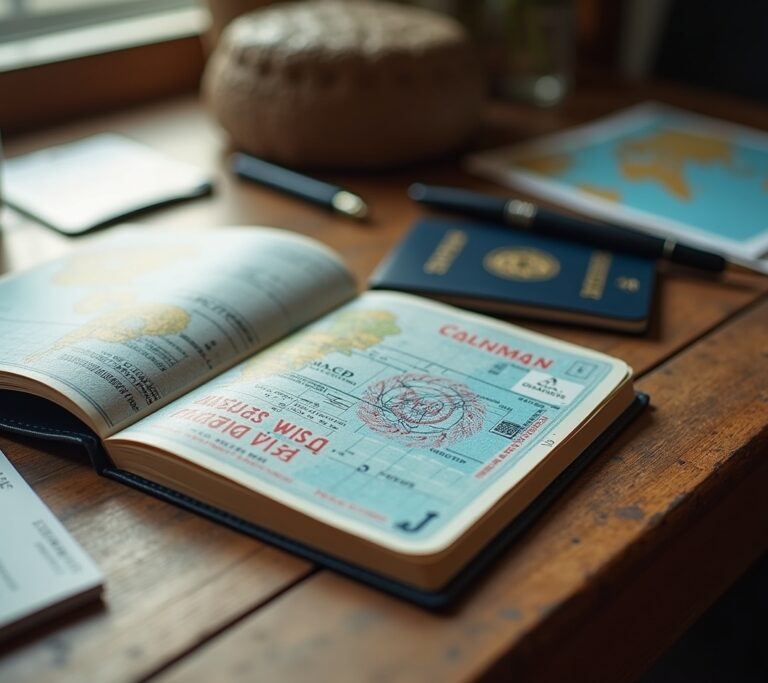
Okay, here’s where I get a bit preachy, but seriously – make copies of everything! I learned this the hard way in Bangkok. Now I keep physical copies in different bags, digital copies on my phone, and upload everything to Dropbox before I leave.
Your passport’s obviously the big one. But don’t forget about your driver’s license, travel insurance info, and any visas or permits. I even photograph my credit cards (front and back) and keep those secured in an encrypted folder.
Pro tip that’s saved my butt twice: email yourself all these documents too. That way, you can access them from any computer, even if everything else gets stolen or lost.
Building Your Emergency Contact List
This might sound obvious, but you’d be surprised how many people don’t have a proper emergency contact list. Mine’s saved both digitally and written on actual paper (old school, I know).
Start with your country’s embassy or consulate numbers for wherever you’re going. The U.S. State Department website has all these listed. Then add your travel insurance hotline, credit card companies’ international numbers, and a trusted contact back home who has copies of all your documents.
Don’t forget your accommodation details and any local emergency numbers. 911 doesn’t work everywhere – in Europe it’s 112, and in parts of Asia, it varies by country.
Money Matters: Financial Emergency Prep
Nothing ruins a trip faster than running out of money in a foreign country. I always follow the “rule of three” now – three different ways to access funds. That means cash in multiple currencies, at least two different credit cards, and a debit card from a bank with good international coverage.
Split everything up too. Some cash in your wallet, some in your shoe (yes, really), and maybe some in a hidden pocket. Same with cards – never keep them all in one place.
One trick that’s pure gold: open a Wise account or similar international banking service. The exchange rates are way better than traditional banks, and you can hold multiple currencies. Saved me hundreds of dollars over the years.
First Aid and Medical Preparedness
Look, I’m not saying you need to pack a whole pharmacy, but a basic first aid kit has been a lifesaver more times than I can count. Bandaids, antibiotic ointment, pain relievers, and anti-diarrhea meds are the absolute basics.
But here’s what most people forget: prescription medications. Always bring extra in original containers, plus a copy of your prescriptions. I once got detained in customs because I had pills in a weekly organizer instead of the original bottle – lesson learned!
Research medical facilities at your destination beforehand. Know where the nearest hospital is and whether they speak English. If you’re going somewhere remote, consider getting travel medical insurance that includes evacuation coverage. That dengue fever incident? The evacuation coverage was worth every penny.
Communication is Key
When everything goes wrong, being able to communicate becomes crucial. I always download offline translation apps and maps before traveling. Google Translate’s offline feature has gotten me out of so many jams.
Get a local SIM card or international data plan sorted before you need it. Nothing worse than trying to figure out how to call for help when you can’t even get online. I usually grab a SIM at the airport – it’s slightly more expensive but so convenient.
Also, learn a few key phrases in the local language. “Help,” “emergency,” “police,” “hospital,” and “I need to call my embassy” should be in your vocabulary. Write them down phonetically if you have to!
Your Travel Emergency Action Plan
Having all this stuff is great, but you need an actual plan for when things hit the fan. First rule: stay calm. Easier said than done when you’re freaking out, but panicking never helps.
If something gets stolen, file a police report immediately – you’ll need it for insurance claims. Lost passport? Head straight to your embassy or consulate. Medical emergency? Don’t try to tough it out – get professional help right away.
Always let someone know where you are. I use location sharing with my family when I travel solo. It might seem like overkill until it’s not.
Been There, Survived That
After all these years of travel mishaps and close calls, I’ve realized that most travel emergencies are totally manageable if you’re prepared. That nightmare in Bangkok? Sorted it out in 48 hours because I had copies of everything and knew exactly who to call.
The key is preparation without paranoia. You don’t need to travel scared – just travel smart. Take the time to prep before your trip, and you’ll be able to handle whatever comes your way. Trust me, the peace of mind is worth the effort.
Remember, every seasoned traveler has their emergency stories. The difference is whether those stories end with “and then I was stranded for days” or “and then I handled it like a boss.” Which ending do you want for your story?
Want more real-world travel tips and stories from the road? Check out other adventures and advice at Travel Tales – because the best travel wisdom comes from those who’ve been there, messed up, and lived to tell the tale!